Summer heat brings more than just dry lawns and dusty roads. During warm stretches, especially in regions with older underground infrastructure, dry weather can quietly affect buried pipes. Without enough moisture, the ground starts to shift, and when that happens, hidden plumbing problems can follow. Since most of your main water line lives underground, it’s not always easy to tell when something’s gone wrong.
That’s why it helps to know a few signs to watch for. These little clues can show up before there’s any standing water or mess. Getting a sense of what to look for early can help avoid bigger trouble later. If you notice anything off, it might be time to check whether a water line repair is needed. Awareness of subtle changes both indoors and outdoors will serve you well, as the most expensive problems often begin with barely noticeable shifts in water quality or pressure.
Drier Soil Can Shift Pipes
When the ground dries out, it doesn’t just crack on the surface. The soil underneath can shrink, creating gaps around your underground pipes. With less soil pressing around them, those pipes start to move. And while they’re sturdy, they’re not made to flex or shift too much.
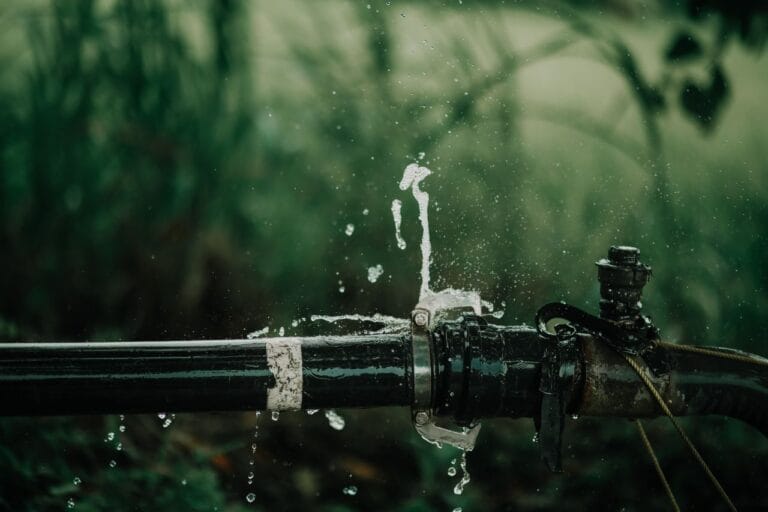
- Pipe joints can pull apart slightly, slowly creating leaks over time
- An older system might not move all at once, but pressure builds in certain spots
- You might not spot trouble indoors first, but watch your outdoor taps, hose connections, and ground around the foundation for early changes
This type of movement doesn’t cause instant damage like a frozen pipe might, but stress from movement adds up. If your home is in an area where the ground dries out fast, keep an eye out mid-summer when the soil is at its driest. Noticing subtle changes in how your outside water features operate or even seeing slight shifts in your yard’s surface can be the first sign that something is moving beneath the top layer of soil.
Sudden Changes in Water Pressure
You turn on the tap and something feels off. The pressure is weaker than usual, or it flickers from strong to weak. If that happens and you haven’t recently done any plumbing work inside, the cause might be outside.
- Uneven water flow from only certain faucets may point toward an issue in the main line
- If the drop in pressure shows up only on the second floor, it may be a matter of gravity slowing things down from an already low flow
- A sudden full-house drop in pressure could signal a crack or partial blockage in your supply line
Water line repair might not be your first thought when pressure changes happen. But if everything else works and there are no leaks indoors, it might be worth checking the pipes you can’t see. Pay close attention if the impact is felt in multiple rooms or if the fluctuation is strong enough to change how shower heads or appliances operate.
Water Discolouration or Murky Water
When pipes underground get tiny cracks, they can let in all sorts of small stuff. The summer’s dry ground is more prone to shifting, and as pipes shift and weaken, groundwater with dirt or rust can sneak in.
- A yellow, orange, or brown tint in the water could mean dirt or rust from older pipes
- Water might have a faint odour or gritty feeling when the tap first runs
- The discolouration might show up more when outdoor hoses or laundry machines are running
This is often more noticeable in homes with older piping, but any home can have issues if dry weather causes pipe movement. If your water suddenly looks or smells different and filters haven’t helped, the sign might be deeper down. Even minor discolouration that seems to clear up after a minute or two should be noted, as it suggests some source of debris or contamination is present in the supply for at least part of its journey.
Unusual Wet Spots or Green Patches in the Yard
It sounds strange, standing water or extra green grass in the middle of a dry month. But it’s one of the clearer signs that something could be going on underground. If your water line develops a slow leak, it can feed into the soil, right under the lawn.
- Muddy or damp patches where there shouldn’t be any water
- Lush, extra-green patches of grass in just one area
- Small sinkholes or ground that feels spongey underfoot
These spots might show up near the sidewalk or far from your house, depending on where the pipe runs. In dry weather, ground moisture from a leak stands out even more. The visual contrast between brown, wilting areas and a sudden splash of vibrant, thriving greenery can catch your eye, making this one of the easier problems to spot before it turns into something more severe.
Increased Water Bills That Don’t Match Use
Summer water use often goes up, especially if you’re watering gardens, filling a small pool, or showering more after hot days. But sometimes the bill jumps in a way that doesn’t match what you’ve used.
- A steady rise in monthly usage without a change in water habits
- Usage climbing while you’re on vacation or away from home
- Neighbours with similar homes reporting much lower use
Leaking water lines don’t always leave signs above ground. A hidden leak can drip around the clock without you seeing it. Keeping an eye on your bills over a few weeks can help spot trends that don’t feel right. Comparing this summer’s water usage to last year’s or your neighbours’ consumption might provide valuable context, letting you catch small leaks that escaping your notice during daily routines.
Keep Summer Plumbing Worries Small
Dry weather doesn’t always mean things are quiet underground. It sets the stage for slow shifts in the soil that can wear down your water line without a clear warning. Small changes, like lower water pressure, odd-looking water, or a strange patch in the lawn, can be the first clue.
By staying alert for these signs, you can catch problems while they’re small. Summer is a good time to keep your eyes open, especially when hidden issues can show themselves in subtle ways. A quick check now can save a lot of hassle when cooler weather returns. Remember, dealing with a minor leak or subtle colour change is much simpler than repairing widespread water damage or replacing sections of line after a collapse. Make it a habit to do a simple walk-around inspection once in a while, including checking faucet pressure or walking your lawn to feel for unexpected moisture. Attention to these signals can translate to major savings in time and cost as the season goes on.
Noticing shifting ground, unusual water pressure, or damp spots in unexpected places may be warning signs of underground plumbing issues. Dry summer soil often exposes problems that have been developing over time. Taking action now can help prevent small leaks from becoming costly repairs down the road. We’re here to assist with anything from inspections to comprehensive water line repair. Reach out to Huntley Plumbing and schedule a check-up before the next summer storm arrives.