Spring doesn’t always bring sunshine right away. In Ottawa, it often means wet basements, melting snowbanks, and rain that just keeps coming. As all that water looks for a place to go, it often ends up trying to get into your home. That’s where sump pump installation comes into play. It’s one of the best ways to protect your basement from flooding, especially during peak melt and rainy periods.
Installing a sump pump isn’t just about reacting to a leak. It’s about getting ahead of one. When water has a clear way out, you’re far less likely to deal with soaked carpet, damaged storage, or the stress of a cleanup. You get to keep your home drier, cleaner, and more comfortable all season. By stopping problems before they start, you save time spent fixing damage and money spent on repairs, letting you focus on spring’s brighter days instead.
Why Spring Flooding Is a Real Concern
As soon as daytime temperatures start creeping above zero, snow and ice begin to melt. Add a few spring rainstorms to the mix, and that water has to go somewhere fast. Older drainage systems, including clogged gutters and overwhelmed weeping tiles, can struggle to keep up. That’s especially true in areas where the water table rises quickly as the ground thaws.
Ottawa adds a few extra layers to this challenge. The city sits on dense clay soil, which doesn’t drain well. When the ground’s still frozen, it isn’t very absorbent either. Water collects and flows along the surface, straight toward low points like window wells, foundation cracks, and basement doorways.
- Water pooling around the base of the house can seep through walls or slab joints
- Basement floors may show damp patches or discolouration from trapped moisture
- Stored items, drywall, and flooring are at high risk when even a little water gets in
Later in the season, heavy spring downpours can make things worse. The ground is often still cold, so water runs off quickly and collects against your home’s foundation. All that extra moisture puts more pressure on your walls, sometimes pushing water through even the smallest openings. And because Ottawa’s climate switches back and forth throughout spring, homes often go through cycles of freezing nights and wet days, pushing water down and around the house. Taking action early in the season keeps you ready for whatever the weather brings and helps avoid messy surprises in April or May.
How a Sump Pump Works
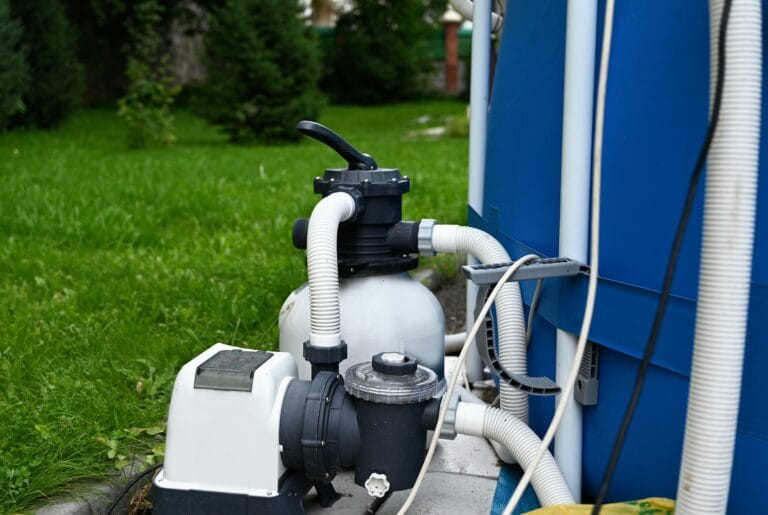
A sump pump is a simple but smart system. It starts with a sump pit, which is a small container set into the lowest part of your basement floor. As water collects around your foundation, it flows naturally toward this pit from a drainage track under the floor. Once the pit fills to a certain level, the pump switches on automatically and sends the water away through a discharge pipe.
This happens whether you’re home or not. So even if you’re away for the weekend or asleep during a storm, the system keeps working. It’s designed to move water outside and away from your house foundation, keeping the basement dry even during the messiest spring days.
- The float switch controls when the pump turns on
- Discharge lines route water well clear of the house
- Backup options can keep things running during power failures
You don’t have to keep an eye on the system all the time, as it works automatically. In fact, many homes have never had water problems until power cuts or equipment failures reveal where the weaknesses are. That’s why it’s important to understand your system and know when it might need service or improvement. For homes that use the basement for storage or living space, a working sump pump is a quiet guardian, keeping belongings and finished rooms safe from sudden water events.
Signs You Might Need a Sump Pump
You don’t need a full flood to know something’s off. In some homes, warning signs show up slowly and build over time. Knowing what to look for can help you spot problems before they become emergencies.
- Standing water or small puddles after snow melts
- A musty smell in the basement or signs of damp concrete
- Rust rings around the base of your water heater or furnace
- Water marks or flaking paint along the wall-to-floor edge
Even if you’ve never had a full basement flood, your property’s layout might still put you at risk. Homes built on flat lots, near wetlands, or in older neighbourhoods often deal with high water tables. We always remind people that sump pump installation makes the most difference when it’s done before water shows up, not after. If you notice that your neighbours have sump pumps or if you know your area experiences pooling water every spring, it could be wise to consider one as a preventative measure. Taking the time to watch for damp corners after a storm, unusual smells that linger when doors and windows are closed, or increased humidity in your storage room can all help you figure out if extra protection is needed. Sometimes, even appliances or stored boxes placed right on the basement floor can give you clues, look for rust, water marks, or soft, swollen cardboard.
What to Expect During a Professional Installation
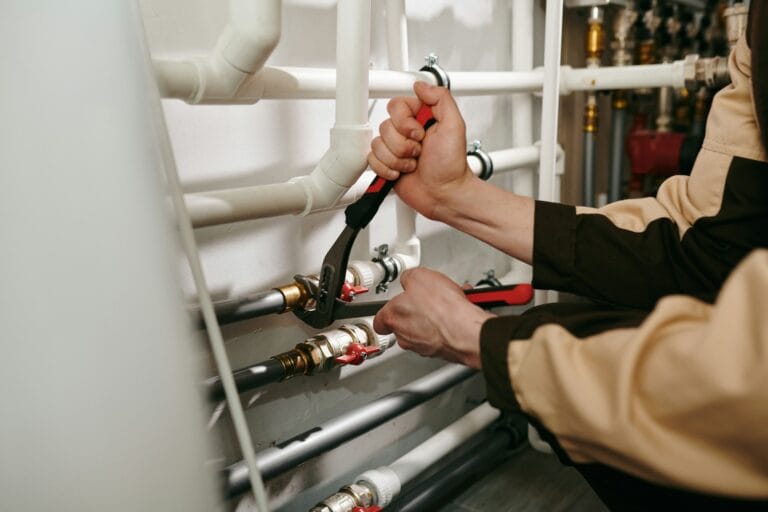
A sump pump system doesn’t take long to install, but it works best when planned out properly. Every home layout is a little different, and the right location matters. We look at where water naturally wants to flow and place the pit at the lowest point of the basement floor.
From there, we dig a small hole for the basin and connect it to an outlet hose that sends water away from the home. Some homes need a discharge line that’s buried underground. Other situations allow us to run the line just above ground, depending on slope and clearance.
- Most installations take less than one day when done with proper tools
- The work includes sealing around the pit to keep it clean and secure
- Outlets are carefully positioned so water doesn’t pool after it’s pumped out
We also make sure the discharge pipe doesn’t freeze up, especially in Ottawa’s early spring temperatures when cold nights can still cause trouble. Once installation is complete, the technician tests the pump to make sure it turns on reliably and moves water away as planned. Any alarms, check valves, or backup power options are explained, so you know what to do if the unexpected happens. Before the job is finished, all connections are checked one more time for leaks or loose fittings, since tight seals help keep moisture out of unwanted spaces long-term. In many cases, a professional will also offer advice for protecting your discharge area from erosion or for keeping outdoor lines clear of ice, ensuring your sump pump works effectively no matter how wild the weather gets.
Keep Water Out and Peace of Mind In
Once the snow starts melting, things move fast. That’s why having a sump pump already in place can make such a difference. It’s one less thing to worry about when the skies open up or the nights stay wet for weeks. A dry basement gives you peace of mind, not just for now but every time spring rolls around.
We handle sump pump installations and repairs for all types and brands, plus we offer emergency service for urgent situations when water threatens your basement. Our team also provides ongoing maintenance and advice to help keep your system ready before the melt.
Installing a sump pump is about more than avoiding puddles. It’s about making your home feel reliable, no matter what’s happening outside. When we plan ahead, we give ourselves the best shot at keeping the season calm, steady, and stress-free.
A damp basement after heavy rain or melting snow can cause stress and inconvenience, but planning ahead with a dependable sump pump installation offers the long-term protection you need. We’ve seen how having the right system in place makes a real difference when the weather turns unpredictable. At Huntley Plumbing, we’re ready to help you stay protected and prepared, reach out today to schedule your installation.