Early summer is a popular time for adding new gas appliances at home. With the warm weather and long evenings, a gas stove in the kitchen or a new outdoor barbecue can make cooking more enjoyable and social when friends and family are around. But before we can fire anything up, it’s important to have the gas lines installed safely and thoughtfully so no future problems arise.
Gas is convenient and dependable, but only when everything is hooked up the right way. Rushed work or skipped steps can cause gas leaks or long-term trouble that’s hard to spot until something goes wrong. Many people are eager to get started with their new appliances, but there are a few key issues that should always be considered before connecting anything new this year. When you understand some common missteps, you can plan ahead and feel confident about your choices. Safe gas line installation keeps things running smoothly both now and later.
Common Missteps When Planning the Job
Before any pipe is laid or fitting is tightened, some of the first mistakes happen during planning. These are easy to overlook, especially when you’re eager to get the new appliance working and want everything set up quickly.
- Some homeowners skip checking what permits are needed, but every city and region has its own building codes for gas
- Not all appliances run on the same pressure or fittings, so guessing or skipping the instruction manual can cause mismatches or safety concerns
- Rushing the job without thinking through the best path for the line can lead to unnecessary bends, longer runs, or difficulties reaching a safe connection point, and it may result in placing the line somewhere it shouldn’t go
Starting with proper planning helps avoid changes later that cost time and increase the risk of leaks or performance issues. By making a list of all needed appliances, studying their manuals, and checking local rules and permit requirements, you set yourself up for better results. It’s much simpler to correct a plan on paper than to reroute pipes across a finished space or deal with missed inspections.
Using the Wrong Pipe Material or Size
Not all gas pipes are the same. The right material and size depend on the distance the gas needs to travel, the appliance you’re feeding, the number of appliances running at once, and the local environment.
- In places like Ottawa that see freezing winters, pipe insulation and outdoor routing need extra care to stay safe year-round and prevent freezing or cracking
- If the pipe is too narrow for the appliance’s needs, it won’t supply enough pressure and can affect how well the unit runs or even cause it to shut off unexpectedly
- Oversized lines can be wasteful and harder to seal off properly, especially when branching to multiple appliances, which may also make future maintenance more complicated
Selecting pipe material, such as steel, copper, or flexible lines, should be based on safety codes and what your appliances require. Picking the correct pipe and size isn’t easy to do without training. Proper sizing requires knowing the appliance’s needs and understanding how to calculate flow over distance, factoring in each joint, bend, and drop in the pipe. A line that isn’t right for the job might work for a while but break down faster or cause poor performance.
Poor Placement or Unsafe Connections
Even the right pipe can cause problems if it’s installed in the wrong spot or hooked up poorly. Where and how the line runs plays a big part in long-term safety. Placement needs careful thought not just for today’s needs, but also in case appliances are moved or upgraded in the future.
- Gas pipes should not be routed near heat sources, power panels, or inside walls without proper venting, as this can lead to overheating or difficult repairs
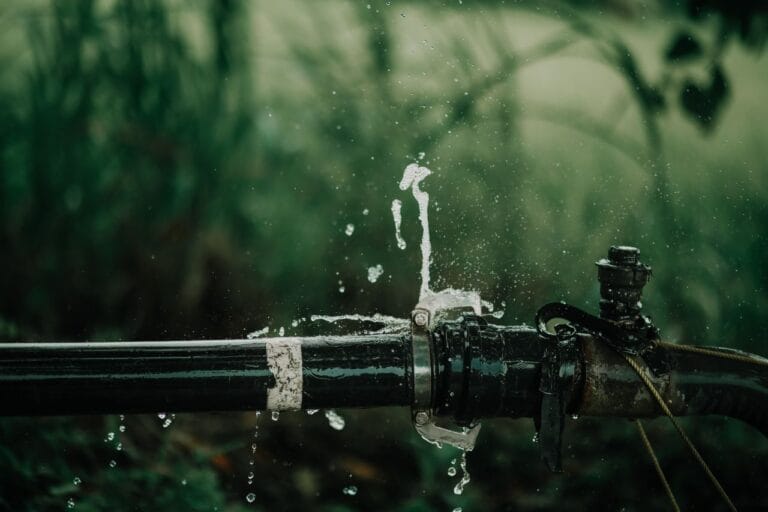
- Seals that aren’t tight or joints that shift over time can start to leak without warning, creating unsafe conditions or a lingering gas smell
- It’s important to leave access to shut-off valves in case repairs or inspections are needed in the future, so never box in valves with drywall or cabinets
Every connection, joint, and change in direction is a potential spot where trouble might start. Hidden pipes or improper vents can be forgotten until there’s a problem, especially during renovations. For peace of mind, check that access panels remain open and pipes are always where they should be.
Trying to DIY the Installation
Gas work isn’t something to guess through with tools from the garage. When someone without the right licence tries to do gas installations, it puts the entire home at risk. It’s always tempting to try a do-it-yourself approach, but the risks far outweigh the money or time saved upfront.
- Gas appliances and fittings require special tools to test for leaks and confirm steady pressure, which most homeowners don’t have on hand
- There’s no room for “close enough” with gas, small mistakes might not show up right away but can lead to serious outcomes over time, including fire hazards or carbon monoxide risks
- DIY work often skips inspection steps, which can leave homeowners unaware of loose joints or unsafe routing, problems which don’t always show themselves until the worst moment
Even if everything seems to work at first, hidden mistakes can lead to big issues. It’s easy to underestimate what’s involved but gas systems aren’t forgiving. Professional training, safety checks, and experience matter more than people often expect, and a licensed technician knows where trouble typically hides.
Not Testing the Line After Installation
Once the job looks done, there’s still one part that can’t be skipped: testing. A gas line that isn’t checked under pressure might seem fine at first but could be leaking slightly without anyone noticing. This is why the final inspection step is just as important as getting the connections in place.
- Full pressure tests check for weak spots in the line and flag slow leaks that can build up over time, which are difficult to notice day to day
- The smell of gas is a warning sign, but a quiet leak can affect indoor air without any obvious signs, leading to health concerns
- Certified workers go through a checklist once the appliance is connected, including checking vents, flame behaviour, and connectors, ensuring every part of the job meets safety standards
It’s the final step that gives peace of mind. Without that check, even a new line can be risky if one fitting wasn’t sealed tight enough or a faulty joint went unnoticed. By taking the time for a proper test, you’re making sure family and visitors are protected for the long haul and that the appliance is safe to use every day.
Stay Safe and Ready for Summer Use
The busy season for outdoor cooking and home upgrades is short, so it’s tempting to speed through installations and start enjoying the new gear right away. But when it comes to setting up a gas appliance, slow and steady wins out every time.
Avoiding hidden risks from pipe placement, underground routing, or skipped inspections means you can use your gas appliance day after day without second-guessing safety. A little planning now keeps the focus where it belongs, on good weather, good food, and a worry-free summer.
At Huntley Plumbing, we understand how important it is to install gas appliances properly, with safety and precision at every step. Planning summer upgrades should be exciting, not stressful over potential leaks or avoidable issues. With something as serious as a gas line installation, safe routing, correct sizing, and secure connections are essential. Whether you’re adding a new stove, BBQ, or another appliance, we can ensure your project is set up right from the start. Give us a call today to book your visit.