Clean water is one of those things we often take for granted. Turn on the tap, and there it is. But keeping it safe isn’t as simple as it looks. One part of the plumbing that doesn’t get much attention is the backflow prevention system. This quiet little hero helps stop dirty water from slipping into our clean supply.
When water flows backward through pipes, it can bring in things that don’t belong, like garden chemicals, dirty runoff, or even bacteria. A backflow prevention service helps make sure those kinds of mix-ups don’t happen. Spring is a smart time to take a look at these systems, since freezing and shifting during winter can leave hidden problems behind. By paying attention to your plumbing now, you can set yourself up for safer water use all season long.
How Backflow Happens in Everyday Plumbing
Backflow can sneak in during very normal situations. It usually starts when pressure inside your plumbing changes and water starts moving the wrong way. That’s when things can go sideways.
- A garden hose left in a puddle or bucket can siphon dirty water back into the house if the pressure drops
- Outdoor taps connected to fertilizer sprayers are another common trouble spot
- If a pipe freezes, breaks, or there’s a sudden drop in city pressure, the water may reverse direction
Even though we trust the pipes in our homes, it’s easier than many people realize for water to start moving the wrong way. The water might look clear but still be unsafe. Contaminated water doesn’t always come with a warning sign. That’s why having a working backflow preventer is so important, it quietly stops problems before they start.
Sometimes, even a small change like using an old hose or fitting a home-made attachment can create a risk you weren’t expecting. All it takes is a drop in water pressure at the wrong time, and dirty water can find its way in. These everyday situations make good backflow prevention a must-have.
Why Backflow Risks Matter More in Spring
Once the ground begins to thaw, the plumbing under and around the house gets a bit of a shake-up. Movement in the soil can affect underground pipes without us even knowing.
Spring also sees more water use outside. Taps are turned back on, sprinkler systems start up, and irrigation lines may run again. All these connections create more chances for backflow if something goes wrong.
- Melting snow adds pressure to underground systems and can shift older pipework
- Outdoor taps and hoses become more active, often with attachments that make backflow more likely
- Landscaping projects or new gardens often involve temporary connections that aren’t properly protected
With these added pressures, spring isn’t just about blooming plants, it’s also a season when plumbing faces extra stress. Even small changes in the plumbing setup can open the door to problems. For example, when starting up a sprinkler system, a missed leak or improper connection can allow dirt or chemicals to flow back. That’s why we always recommend checking your system each spring, especially if you’ve had a tough winter.
It is also common for homes that haven’t run their outdoor taps for months to overlook worn out seals or cracks in the fittings, which can lead to leaks or allow backflow. If you’ve made plumbing repairs or added new hoses, now is the time to be extra careful.
What a Backflow Preventer Does (and When It Fails)
A backflow preventer is exactly what it sounds like. It keeps used or dirty water from flowing backward into your clean water lines. It usually works with a series of check valves that open in only one direction, forward.
But like anything mechanical, it can wear out or get damaged. And the signs aren’t always obvious.
- A sudden drop in water pressure without any reason
- Leaky connections or drips around the device
- Gurgling noises that weren’t there before
Failing preventers don’t always show clear symptoms. Sometimes the only way to spot a problem is by inspecting the inside. That’s why scheduled checks are a smart move, especially in early spring before outdoor water use picks up.
Old valves can get blocked over time by grit or mineral deposits, and seals might dry out or crack after a long cold winter. Sometimes storms or sudden changes in city water pressure can trigger the kind of backwards flow your preventer is there to stop, so it’s important to know it’s working when you need it most.
The Value of Routine Backflow Testing
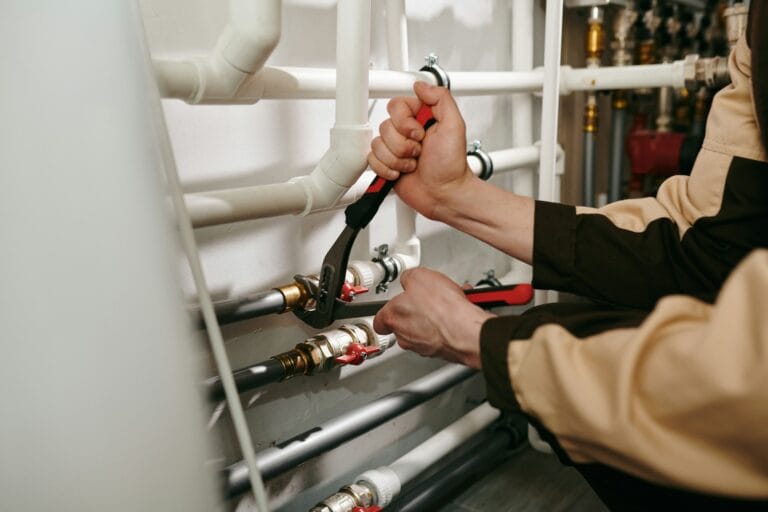
A proper backflow prevention service includes testing the device to make sure it’s working right. This usually involves checking the pressure, watching how the valves move, and inspecting for buildup or damage.
In many places, this isn’t just a suggestion. Local plumbing rules often require regular inspections each year, or after plumbing work that could impact your system.
- Testing watches how each part of the preventer reacts during simulated pressure changes
- Inspections can catch small cracks, broken seals, or backwards pressure that would otherwise be unnoticed
- Early testing in spring helps avoid problems once watering season begins
Routine testing means your protection isn’t just relying on luck. When we catch something early, it’s easier and faster to fix. That keeps your home’s water system running clean and keeps water safety right where it should be.
It’s also worth knowing that inspection records may be required for some properties or insurance policies. Keeping up with testing builds trust with local inspectors and gives you proof that your system is in shape. If any small repairs are needed, having them handled right away keeps the fix small and manageable.
Peace of Mind Starts with Clean Water
Backflow isn’t dramatic. It usually happens quietly and builds up risk over time. That’s what makes it tricky. But the health and safety risks it brings can be serious. Every home with outdoor water taps or irrigation is at some level of exposure whether they know it or not.
It’s not just businesses or large buildings that need protection. Even a single hose used the wrong way can create a link between dirty and clean water. That’s why we treat spring check-ups as something more than routine. They’re a simple way to stay ahead of a problem that, by the time you notice it, may have already done damage. Regular care means clean water stays clean, without question.
With lots of people gardening, filling pools, or washing cars once the weather improves, clean water is used for all kinds of spring jobs. Spring thaws and increased outdoor water use can put extra stress on older plumbing systems, making this the perfect season to stay proactive about water safety. A proper backflow prevention service makes a big difference in keeping your home’s water clean and safe. At Huntley Plumbing, we take your peace of mind seriously and always recommend routine inspections before the warmer months are in full swing. Give us a call to schedule your spring check-up today.