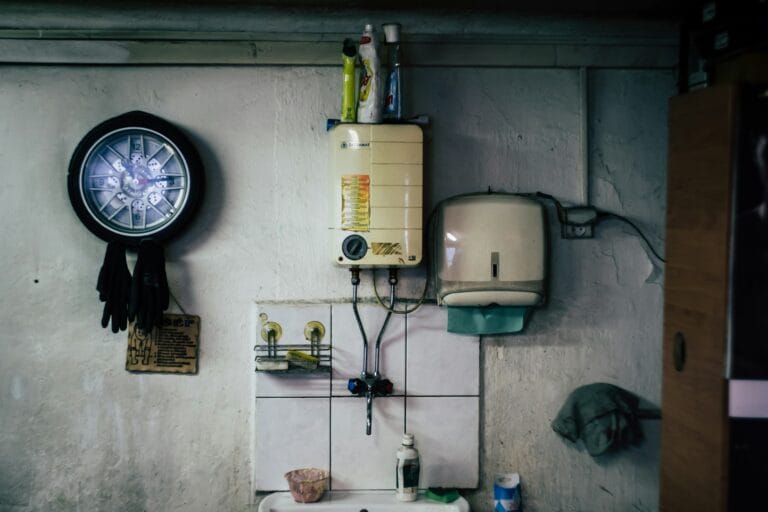
Spring and early summer are popular times to take care of home projects, and getting a new water heater often lands on that list. Warmer months make the job easier and give us better access to the areas we need to work in. Fewer weather delays also mean a smoother process from start to finish.
When booking a water heater installation service during spring or early summer, you’re likely to avoid longer wait times, and there’s less chance of freezing pipes causing trouble. The timing just lines up well with preparing your home for the busier seasons ahead. Here’s what to expect if you’re thinking about replacing your water heater during the warmer part of the year.
Why Warmer Months Are a Good Time to Replace a Water Heater
Installing or replacing a water heater is a lot less stressful when temperatures are mild. We don’t have to worry much about snow, ice, or frozen valves, which can all make the job harder or riskier during colder months.
- Utility rooms, crawl spaces, and basements are easier to access when there’s no snow piled around outdoor doors or window wells
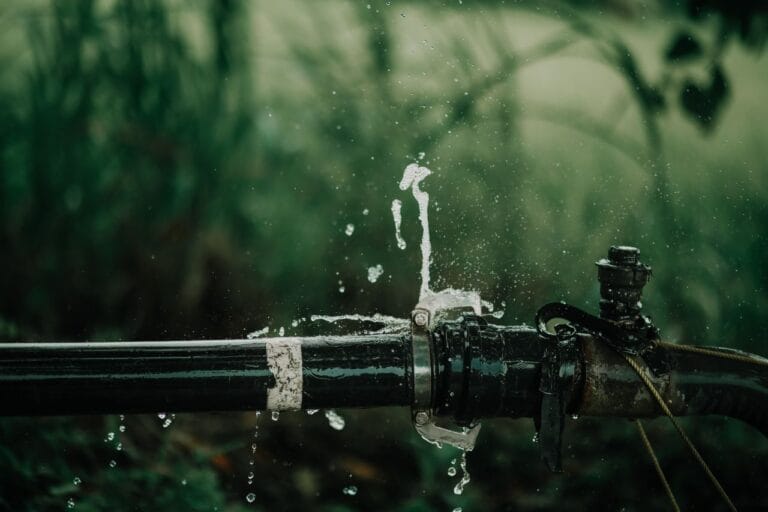
- Pipes and fittings are less likely to crack or leak from sudden cold exposure
- You won’t need to heat extra water simply to offset freezing temperatures outside
Warmer months also give you the chance to upgrade before the fall rush starts. That time of year tends to bring more emergency calls as heating systems kick back into gear. Taking care of a water heater now puts you ahead of that curve, especially if your unit has been hanging on for a few seasons already.
What Happens During a Water Heater Installation
When we install a new water heater, it usually follows a simple series of steps. Every house is a little different, but the process tends to go like this:
- We shut off the gas, water, or electrical power going to the old unit.
- Once everything’s safely off, we disconnect the old water heater and remove it.
- We position the new unit in place and reconnect all lines and fittings.
- We test for leaks and check connections to make sure everything works properly.
- Controls and safety systems are double-checked before we wrap up.
When it’s a tankless system, there’s a bit more setup, especially around venting and flow rate. We test flow speed and heat output to match expected use. For both types of systems, it’s important that the work follows local code and safety rules. With warmer weather, we’re less rushed and can test things more easily without battling icy floors or frozen pipes.
Deciding Between Tank and Tankless Units
The type of water heater you choose often depends on your home’s setup and how much hot water your family uses in a day. Both styles work well when picked for the right use.
- Tank units hold a large amount of water and keep it hot all day. They’re straightforward and often already in place, especially in older homes.
- Tankless systems heat water only when needed. They save space and energy but need the right flow rate and setup to work properly.
If your household has long gaps between hot water use, tankless options might offer better efficiency. But if you have several people showering in the morning or tend to run laundry and dishes at the same time, a tank could make more sense.
Spring and early summer offer good test conditions for either system. It’s not too hot or too cold, so it’s easier to measure performance and adjust settings without the pressure of extreme outside temperatures.
Common Questions People Ask in Spring
When people start thinking about upgrading, a few questions come up almost every time. It helps to go in with a general idea of what to plan for.
- Should I wait until my current heater fails before replacing it? We wouldn’t recommend that. A proactive switch gives you control over the timing and prevents surprise cold showers or water damage.
- Does a water heater work differently in warm weather? Not really, but your usage may change. You might run more loads of laundry, shower more after being outside, or use hot water for gardening tools or outdoor cleaning.
- Can the install happen right away, or is there prep work? We can usually get started quickly, but you’ll want to check that the shut-off valves work and there’s enough space to reach the unit.
Scheduling in spring helps avoid last-minute stress. Things tend to run more smoothly when temperatures are steady, and there’s no pressure from an emergency breakdown.
What to Do Before and After the Install
Getting ready for an install doesn’t take much, but a little prep makes a big difference. Once the new unit is in, you’ll also want to pay attention to how it’s working.
Before the install:
- Clear space around the water heater so it’s easy to reach and remove.
- Make sure any panel doors in basements or crawlspaces aren’t blocked.
- Let us know if there are any shut-off valves that haven’t been tested in a while.
After the install:
- Run hot water in a few areas to check for proper flow.
- Listen for any strange sounds like knocking or delays in heating.
- Keep an eye out for small leaks around fittings or the base of the tank.
If anything seems off, don’t wait to mention it. Warmer months give us time to adjust or double-check something without cold weather making things uncomfortable.
Reliable Hot Water Starts with a Good Setup
Taking care of your water heater before the colder months arrive gives you a better shot at steady comfort when it really matters. Spring and summer installations mean fewer surprises, more flexible schedules, and safer conditions for working with gas, water, or electrical lines.
Knowing how a water heater installation service works helps take the mystery out of the process. From removing the old unit to testing the new one, every step is clearer when we’re not dealing with freezing weather or snow-covered access points. It’s all about timing, and warmer months often offer the best window to update before daily usage picks up again.
Thinking about replacing your old system this season? Our water heater installation service makes it easy to stay ahead of wear and tear. We’ll help you select the right type for your home and ensure it’s set up safely and efficiently. With warmer weather providing clear access and fewer delays, now is the perfect time to get the job done right. At Huntley Plumbing, we’re here to make the process simple from the first consultation to the final test. Reach out to us today to book your spot.