Choosing between a hot water tank and a tankless system can feel like a big decision. Both options come with their own strengths, but the choice often comes down to how your home is set up and how much hot water your household actually uses. Around springtime, many homeowners start to notice signs of wear and tear on their water heater, which makes this season a common time to think about hot water tank replacement.
Energy habits shift in spring too. With heating needs dropping, it’s easier to schedule work, and you’re more likely to spot problems before summer usage kicks in. In this post, we’ll walk through how traditional and tankless systems work, what sets them apart, and how to figure out what suits your home best.
How Traditional Water Tanks Work
Traditional water heaters warm and store a set amount of water, usually between 40 and 60 gallons for a standard Ottawa home. The tank heats the water throughout the day and keeps it ready for when you turn on a tap. Whether or not you’re actively using hot water, it’s using power to maintain a set temperature.
That constant heating brings a few things to keep in mind:
- The tank takes up space and often lives in a basement or furnace room
- If you run out of hot water, you need to wait for the tank to refill and reheat
- After a long winter, sediment or mineral build-up can reduce tank efficiency
In Ottawa homes, winter can be hard on plumbing systems. When spring arrives, we often see signs that the tank worked overtime, especially if its age is showing. Replacements sometimes get pushed off until a leak or issue forces the decision. Catching problems in spring gives more breathing room to make the right call.
What Tankless Systems Do Differently
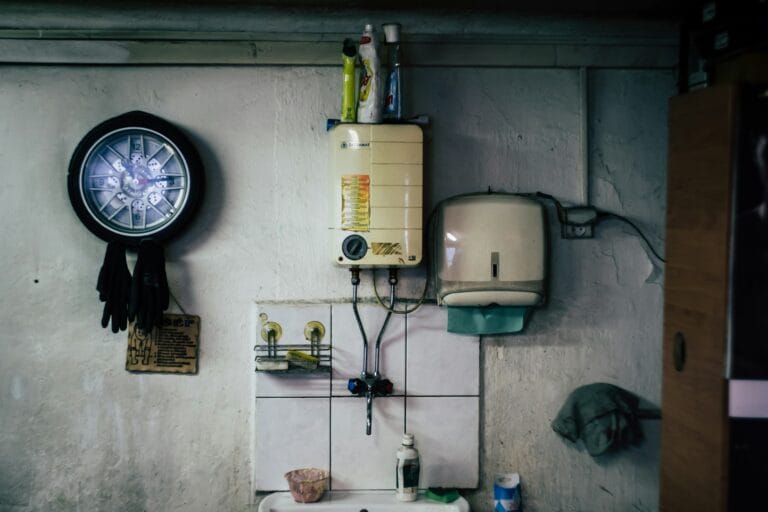
Tankless units heat water only when you need it. That means no large storage tank sitting around, and no energy use when taps aren’t running. When you open a tap, water passes through the unit, where it’s heated instantly using gas or electricity.
Some big tankless perks include:
- Wall-mounted design, which can free up floor space
- Endless hot water supply, as long as usage stays within the system’s limits
- Less standby energy waste, since water isn’t being kept warm all day
In smaller homes or newer builds with tight utility spaces, the small size of tankless units can be a big help. And since the load on heating systems drops in spring, it’s a good window to switch over without spreading your power supply too thin.
That said, tankless systems need the right flow rate and venting setup. They also work best when they’re sized properly for your household’s needs. Not every house is an easy fit, but when it works, the savings and space gain can be worth it.
Pros and Cons of Each Option
Choosing between the two options depends on your home habits and layout. Each system has different features that might make more sense for how you use water every day.
Hot water tanks tend to be simpler, and many are already set up in older homes across Ottawa. They’re reliable if properly maintained, though they do take up more room. Tankless systems take a little more planning at first, but often last longer and come with fewer standby losses.
Here’s a quick comparison:
- Lifespan: tanks often last 8 to 12 years, tankless units often last closer to 15 to 20
- Wait time: tanks offer hot water right away, but may run out; tankless is endless but takes a few seconds to heat
- Space: tanks are bulky, tankless units save space
- Energy use: tanks heat constantly, tankless units heat only on demand
In colder Ottawa winters, some homes prefer the back-up feel of a tank, especially where water pressure drops below optimal levels. Others enjoy the year-round savings and compact features of tankless systems once they’ve been properly sized and set up.
Signs It’s Time to Consider Hot Water Tank Replacement
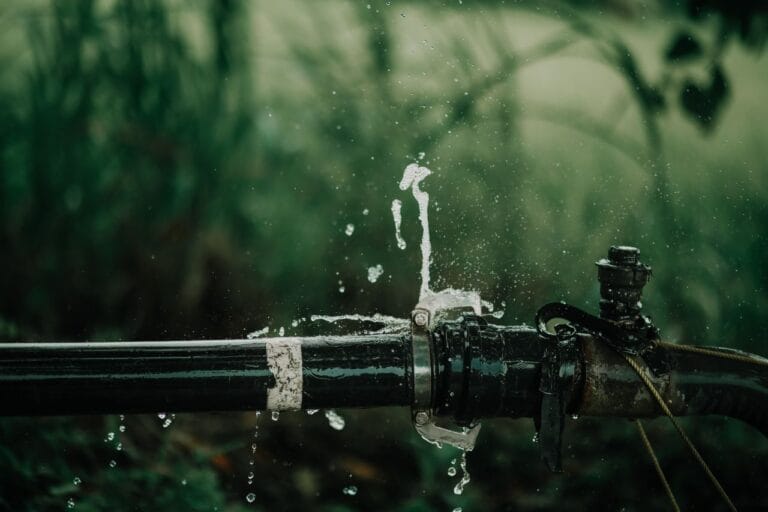
There are a few clear signals that it might be time to think about a new system. Large puddles near the base of the unit, cloudy or rusty water, and sudden changes in water temperature are all signs that your heater might be on its way out.
Other clues include:
- Water takes longer to heat or runs out faster than it used to
- You hear noises like popping or hissing from the tank
- The system is over 10 years old and has never been flushed or checked
With heating equipment winding down in spring, it’s a smart time to handle hot water tank replacement. You aren’t pushing the system every day, and there’s less need to rush. It also means peace of mind by the time summer hits, when laundry, showers, and outdoor taps start working overtime again.
Questions to Ask Before You Decide
If you’re stuck choosing between tank and tankless, try answering a few questions first. These help us get a clearer picture of what works best in your situation.
- How many people live in your home, and how often is hot water used all at once?
- How much physical space do you have available?
- Is your home already set up with gas or electric systems that support tankless units?
- Any plans to sell, renovate, or add appliances soon?
Knowing how long you expect to stay in the house helps too. Some upgrades make more sense if you’re building for the next 10 years, while others are better if you just need a reliable unit right now.
There’s no single answer for every household, but thinking through these points helps avoid short-term fixes that cause repeat problems later on.
Know What Fits Your Home Best
Finding the best water heating system starts with looking at how your household works day to day. Bigger families with steady schedules might stay better served with high-capacity tanks. Smaller homes or newer builds sometimes benefit more from the space savings and long-term use a tankless system allows.
Both types of water heaters can serve a home well when they’re sized and installed with care. The main goal is to match the system style to your usage, space, and habits in a way that keeps things running without trouble.
Spring gives us time to think ahead, spot early signs of wear, and make changes with fewer pressures from harsh weather. Whether it’s time to replace an older unit or explore a new option entirely, this season gives the space to get it right.
Thinking about upgrading your water heater? We’re here to guide you through the decision that’s right for your home. From considering space limitations to planning around seasonal timing, it pays to be proactive rather than waiting for an unexpected breakdown. Whether you’re interested in a tankless model or sticking with a traditional setup, our assessment can help you avoid future stress. Noticing warning signs like noise, leaks, or slow recovery? It may be the perfect time for a hot water tank replacement. Connect with Huntley Plumbing and we’ll help you find the best fit for your home.